
In light of global competition between countries to promote all sectors of the state, gain a competitive advantage in international markets and be able to stand firmly in the international business arena in its various fields, the concept of development has become a basis for empowering the state economically, politically, socially, militarily and demographically, as countries seek to achieve sustainable internal development for themselves in order to maintain their control over their internal resources and governance and prevent the interference of the other dominant power.
Sustainable development : its social, economic and environmental dimensions
Sustainable development is an international socio-economic term in which the United Nations has drawn a map of global environmental, social and economic development. Its first goal is to improve the living conditions of each individual in society, develop the means and methods of production, and manage them in ways that do not lead to the depletion of the planet’s natural resources, so as not to overload the planet and not deprive future generations of these resources (meeting the needs of the current generation without wasting the rights of future generations) and without overusing the remaining natural resources on our planet.
Characteristics
Sustainable development is a long-term development, taking into account the rights of future generations to the earth’s resources and seeking to protect them. It meets the basic and necessary needs of the individual for food, clothing, and health and educational needs that lead to improving the physical and social conditions of humans without harming biodiversity, and this is one of its priorities. The elements of the environment are an integrated system, and maintaining the balance between these elements provides a healthy environment for humans. It preserves the elements of the biosphere and its basic compounds, such as air and water, where the plans require not to deplete natural resources in the biosphere by drawing plans and strategies that determine the ways in which these resources are used while maintaining their ability to give. It depends on coordination between the negatives of resource use and investment trends, where they all work in harmony within the environmental system in order to achieve the desired continuous development.
Principles
Using the method of adopting plans.
Popular participation.
The goal is to optimize the use of economic resources.
Challenges
The current productive behavior that leads to increased pollution rates.
Individual or collective consumption patterns that move away from rationalization, guidance and protection to be away from pollutants in food, medicine, and drink.
The goal is not to control the spread of environmental pollution in its various forms.
The challenge lies in safeguarding the rights of future generations to resources and continuous development.
What are the Sustainable Development Goals?
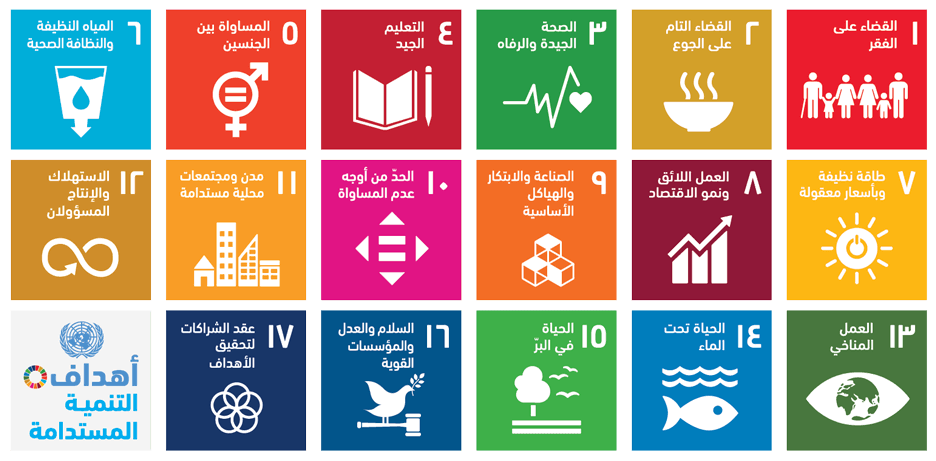
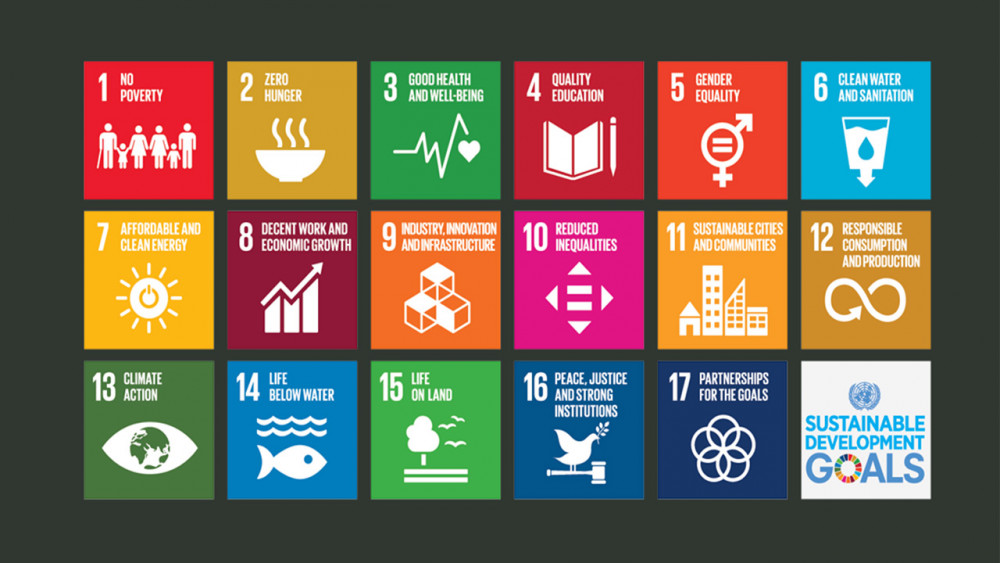
In 2015, all UN Member States adopted the Sustainable Development Goals (SDGs), also known as the Global Goals, as a global call to action to end poverty, protect the planet and ensure that all people enjoy peace and prosperity by 2030.
The 17 Sustainable Development Goals are complementary – that is, they recognize that action in one area will affect outcomes in other areas and that development must balance social, economic and environmental sustainability. By pledging not to leave anyone behind, the countries committed to speeding up progress for those who are still behind. This is why the Sustainable Development Goals are designed to make the world turn zero on many aspects of life-changing issues, including extreme poverty, hunger and discrimination against women and girls. Everyone needs to
The 17 Sustainable Development Goals
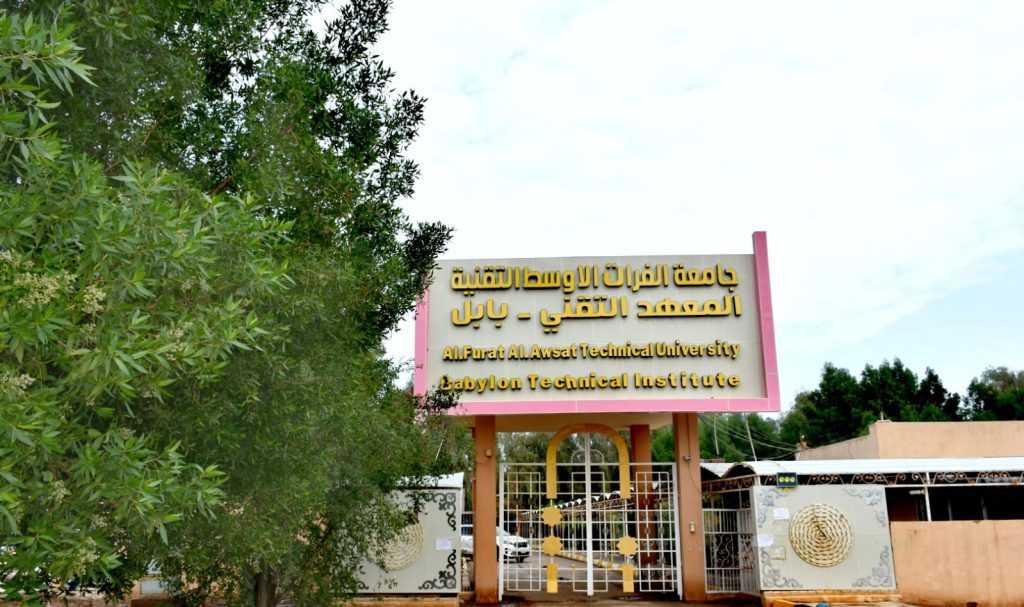
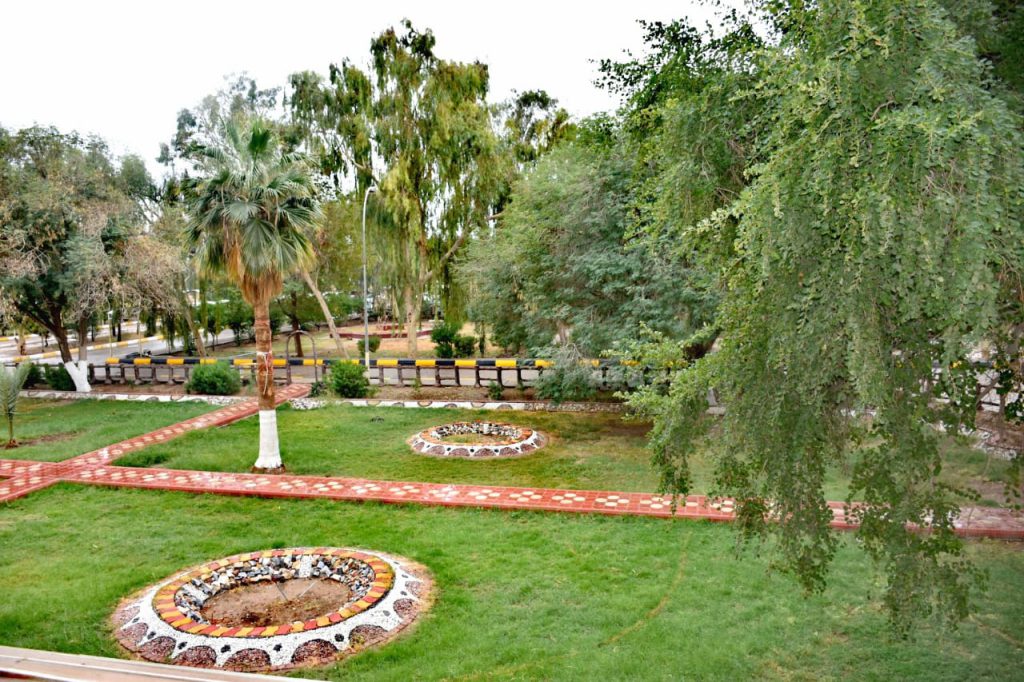
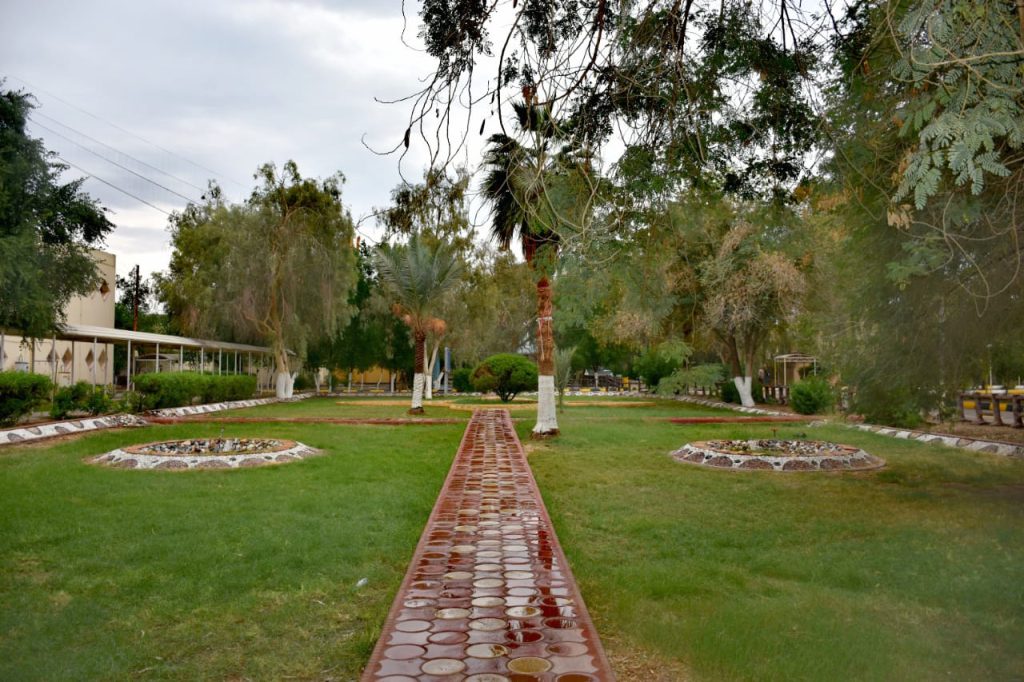
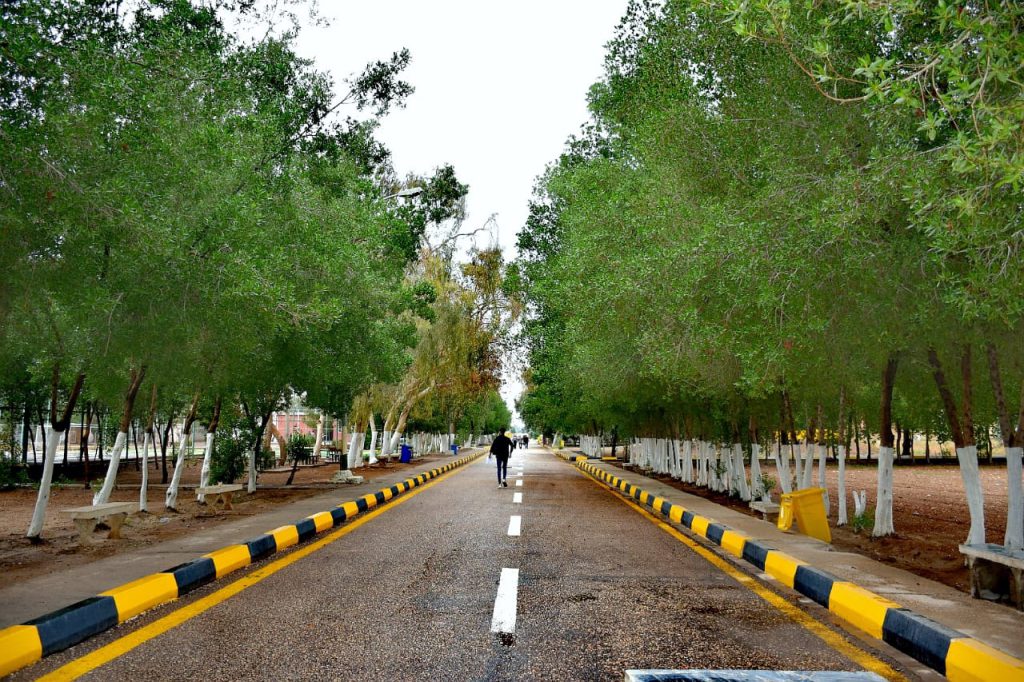
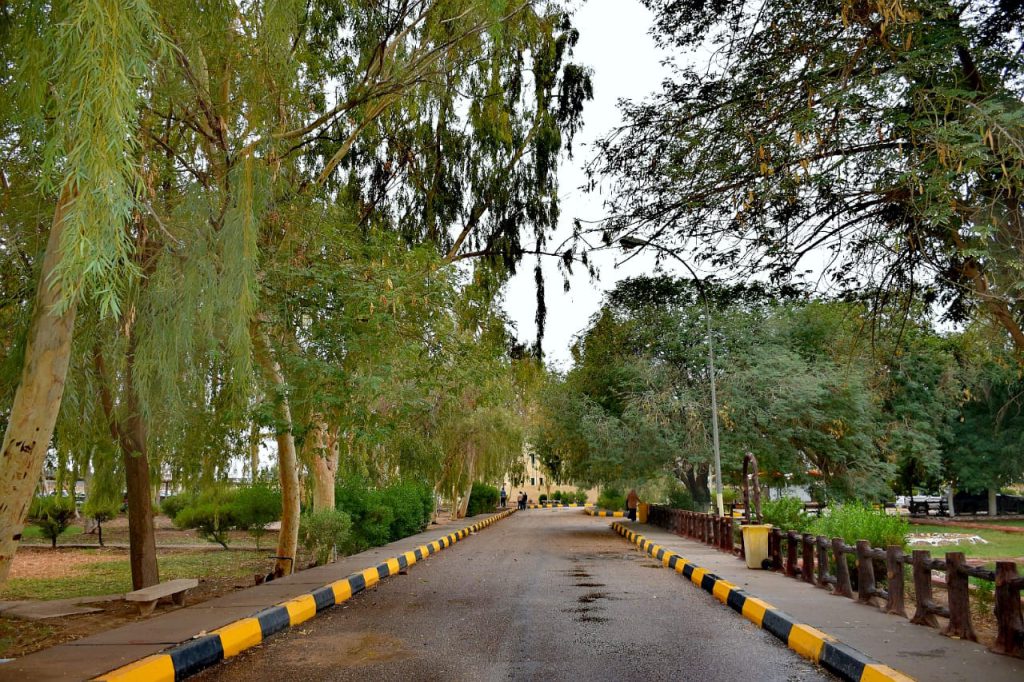
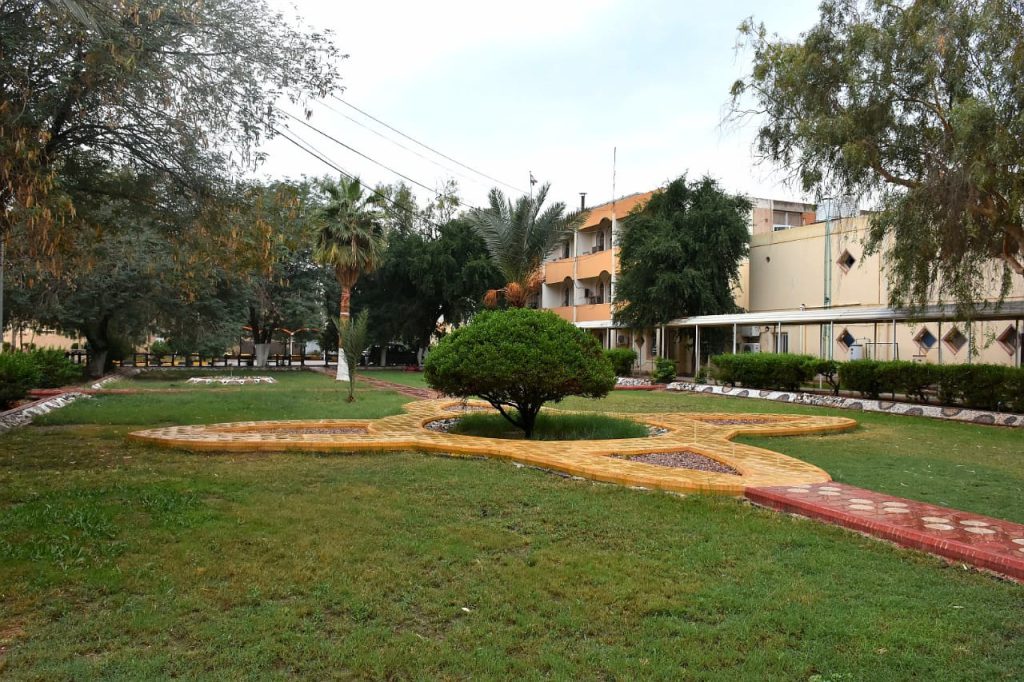
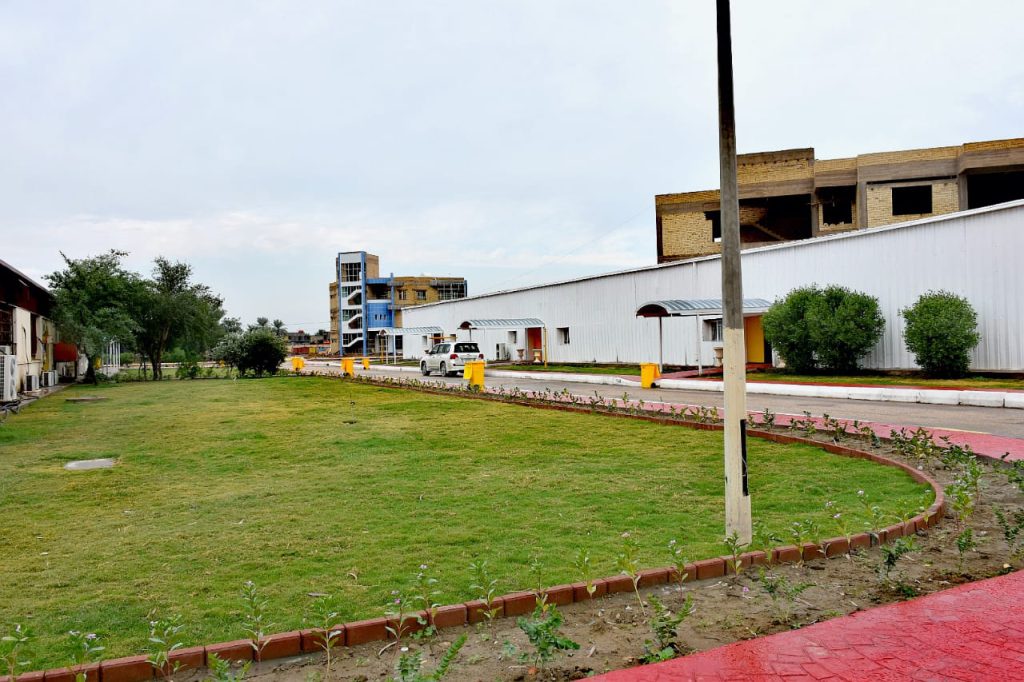
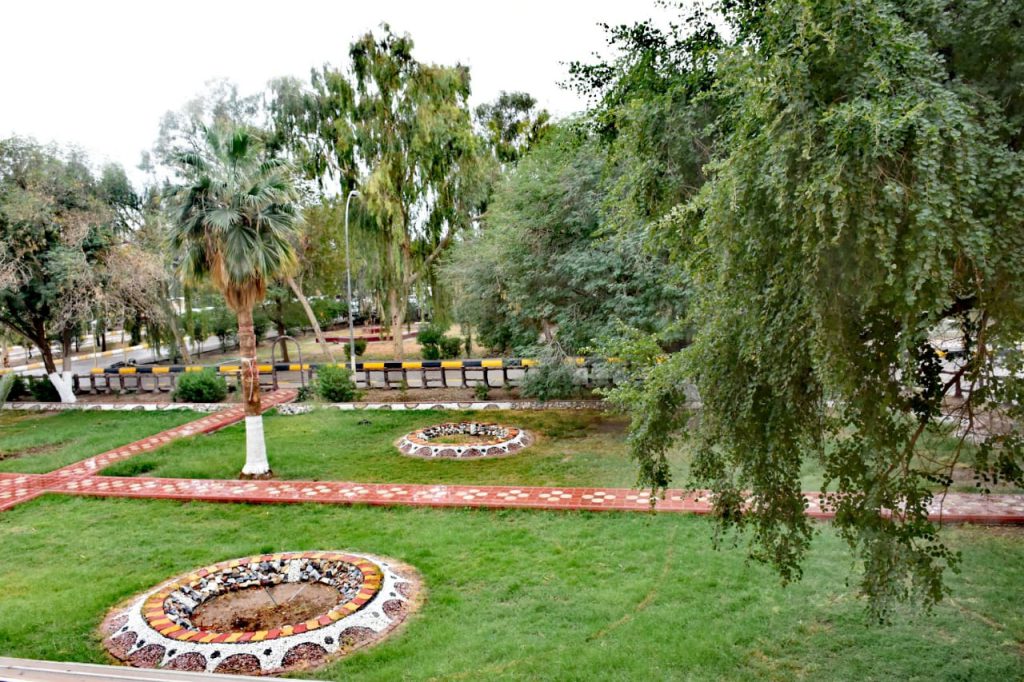
Technical Institute / Babylon .. and sustainable development
Dimensions and components of sustainable development
From the previous definition of sustainable development, its objectives and dimensions can be drawn, which can be summarized as follows:
1. Environmental dimension
Sustainable development aims to achieve many environmental goals, which are as follows:
The rational use of exhausted resources, in the sense of preserving natural assets so that we leave future generations with a similar environment, as there are no alternatives to those depleted resources. It is crucial to consider the environment’s limited capacity to absorb waste.
The need to determine precisely the amount that should be used from each depleted resource depends on determining its true economic value and determining an appropriate price for it based on that value.
The best goal of sustainable development is to reconcile economic development and environmental conservation, taking into account the rights of future generations in natural resources, especially those depleted from it.
The economic dimension
For rich countries, sustainable development aims to make continuous reductions in the levels of energy consumption and natural resources, which are up to many times higher in rich countries compared to poor countries; for example, energy consumption caused by oil, gas and coal in the United States reaches a level 33 times higher than in India.
3. A social dimension
The sustainable development process includes human development aimed at improving the level of health care and education, as well as the element of participation. The definitions of sustainable development emphasize that development should be participatory so that people participate in making development decisions that affect their lives. Where man is the center of the definitions presented about sustainable development, and the important element referred to by the definitions of sustainable development – also – is the element of justice or equity and equality. There are two types of equity: equity for future generations, whose interests must be taken into account according to the definitions of sustainable development, and the second type is the equity of those who live today from human beings and do not find equal opportunities with others in access to natural resources and social services, and sustainable development aims to eliminate that glaring inequality between North and South. Sustainable development also aims – in its social dimension – to provide loans to the informal economic sectors and to improve education opportunities and health care for women.
The technological dimension
Sustainable development aims to achieve a rapid transformation in the technological base of industrialized societies to a new technology that is cleaner, more efficient and more capable of reducing environmental pollution, as well as a technological transformation in developing countries in the process of industrialization. To avoid repeating the mistakes of development and avoid environmental pollution caused by industrialized countries, the technological improvement targeted by sustainable development is an important means of reconciling development goals with the constraints imposed by the environment so that development is not achieved at the expense of the environment.